HomeCounselingPlay therapy
Play therapy
A safe place to play, express and grow
Play is how children naturally explore feelings and experiences. Play therapy gives them a calm, supportive space to do it, with a trained professional alongside.
What play therapy is
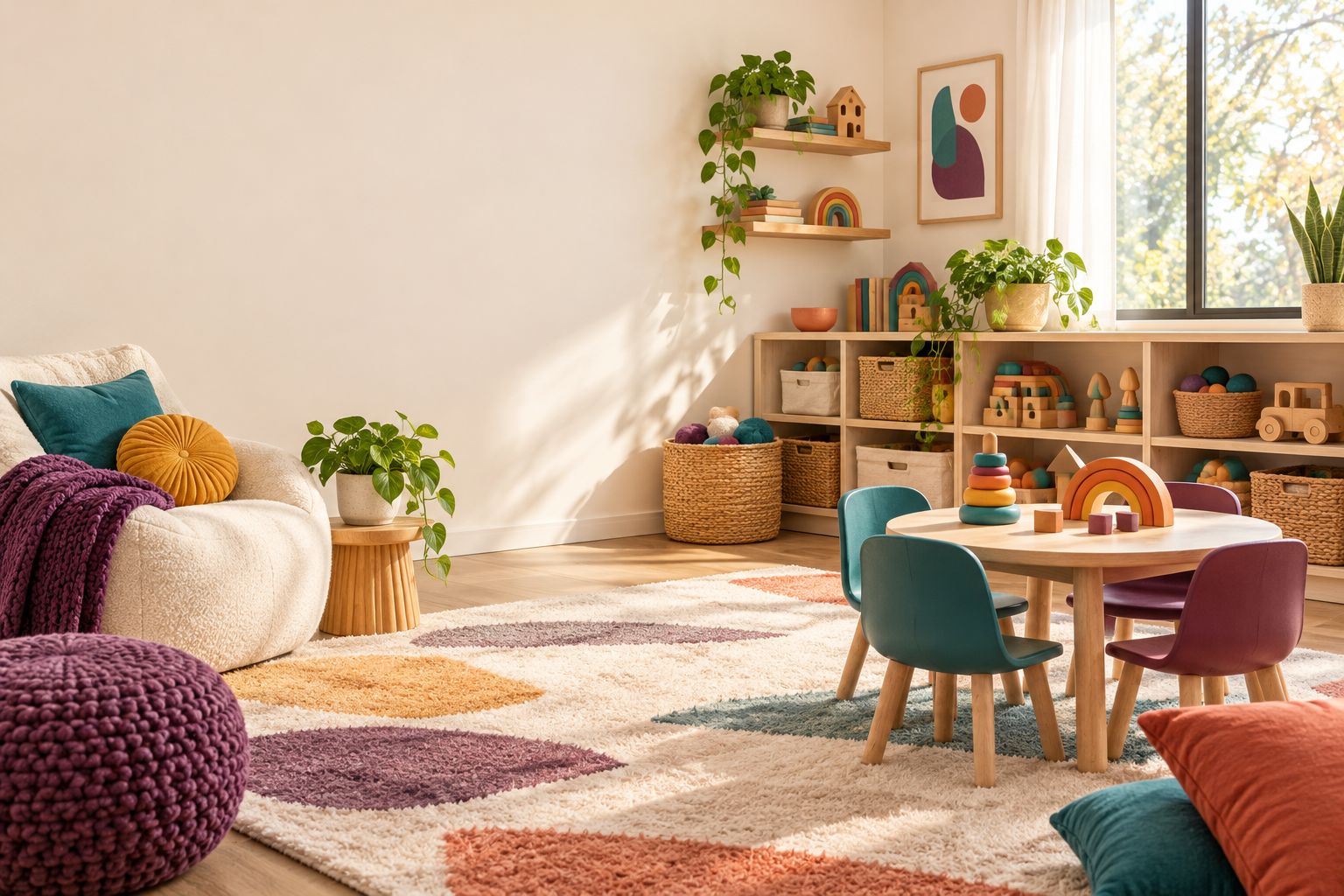
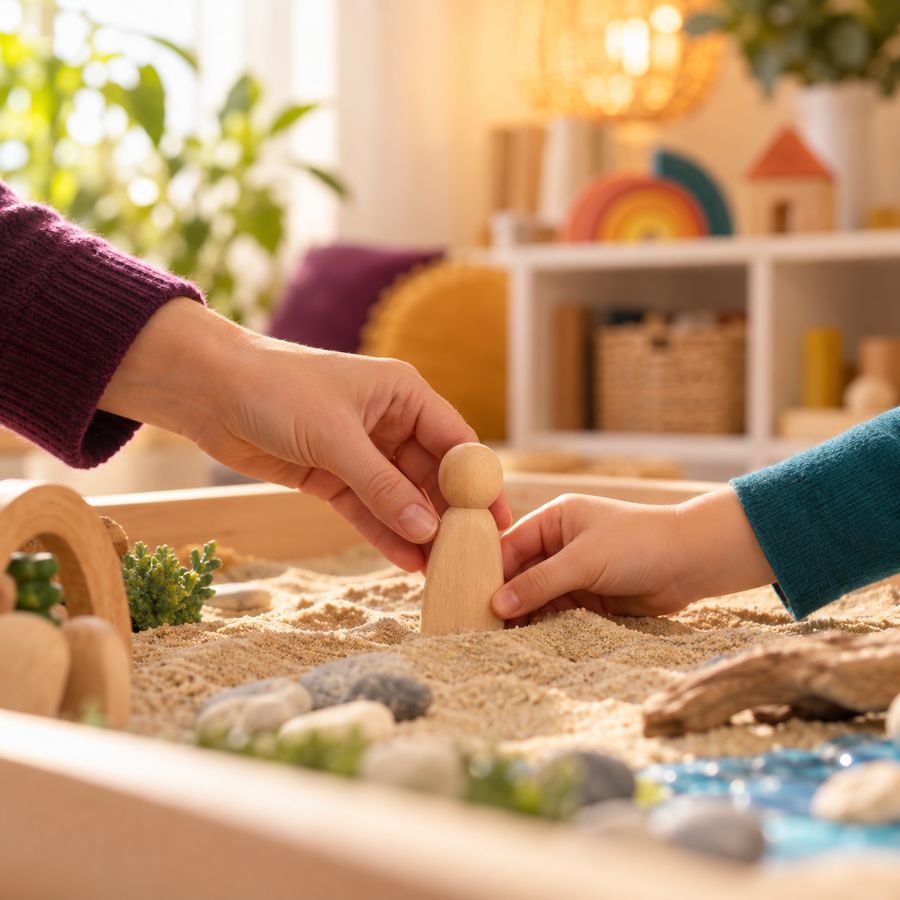
Children often don’t have the words for what they’re feeling, but they can show it through play. In play therapy, toys, art and storytelling become the child’s language, and the therapist helps make sense of it with them and their family.
Who it’s for
[Ages and situations the practice serves: to be confirmed]
What a first visit may look like
It usually starts with a conversation between the adults and the practice, before any time in the playroom. [Practice’s actual first-visit process]
The playroom
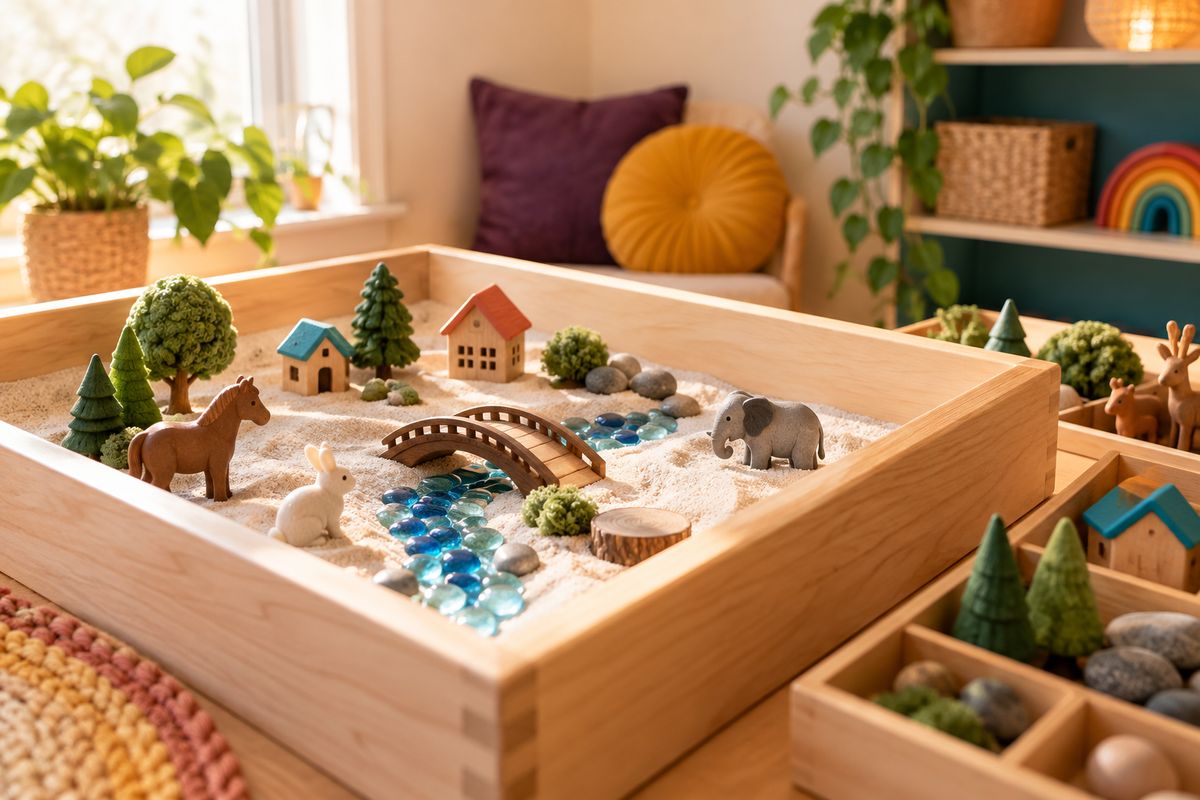
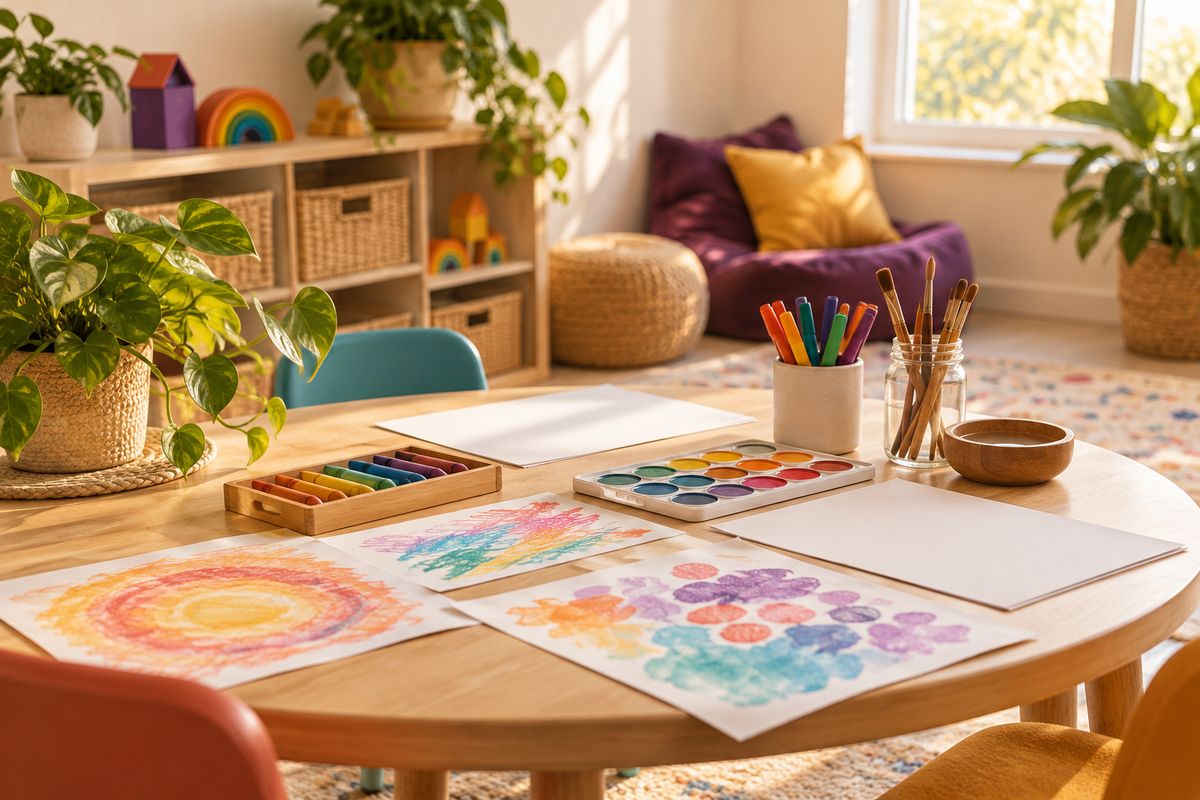
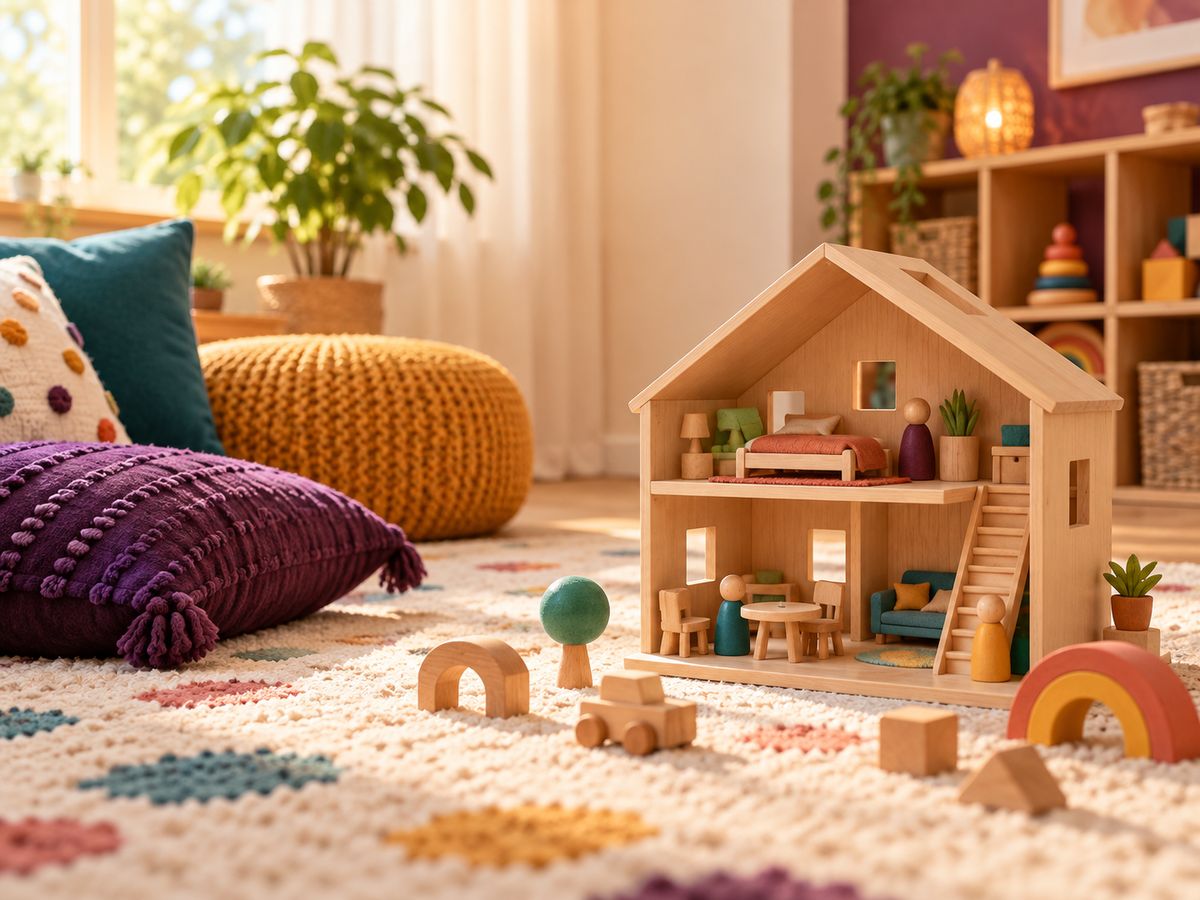
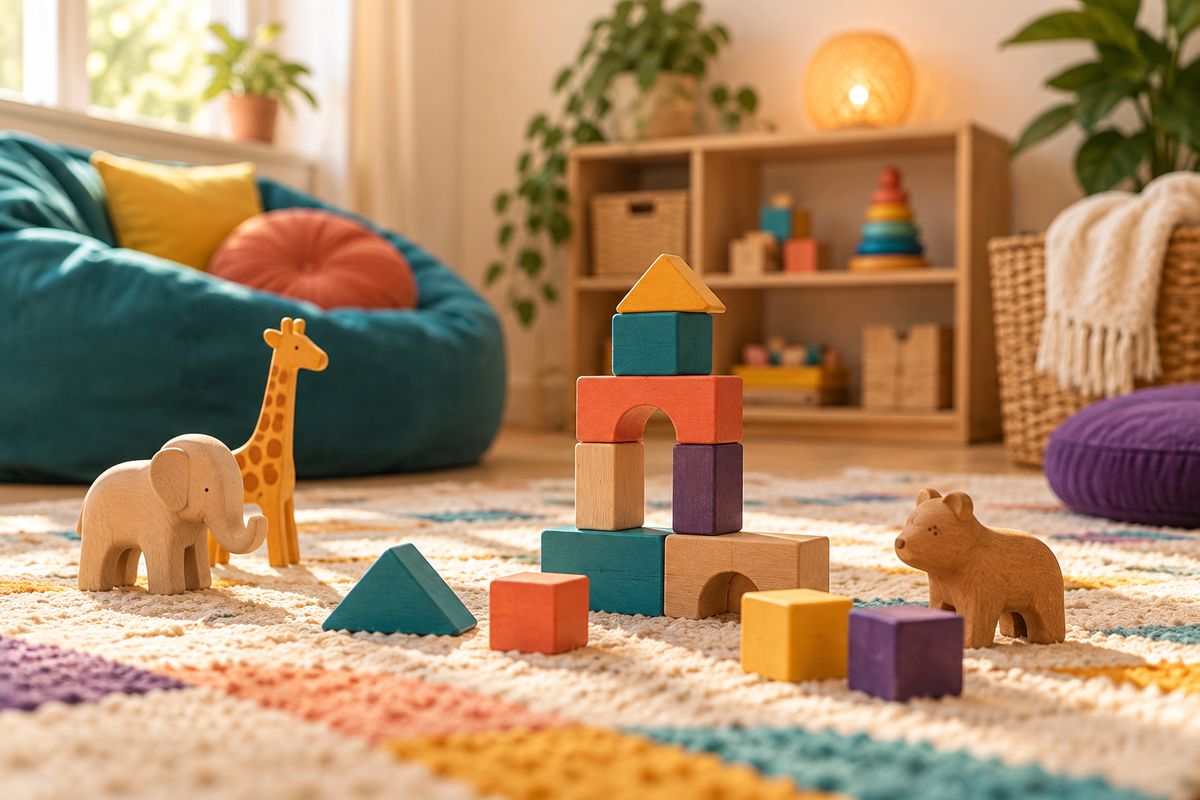
The kinds of things you might find
A calm, thoughtfully arranged space with a few simple tools children can choose from.
Illustrative images These pictures are examples, not photos of the practice’s playroom. [Replace with approved photos, with no children visible]



For parents and guardians
How to get started
- Send a short request as a parent or legal guardian. Please share only your own contact details.
- A team member contacts you, an adult, to talk about what you’re looking for. [Response time]
- Together you decide on a first step. Detailed paperwork happens later, through a separate secure process.
Please don’t include your child’s name or details in the request form. This website is not monitored for emergencies. If you or someone else may be in immediate danger, call 911.
Questions parents often ask
What ages is play therapy for?
[Not confirmed. Practice to state ages served.]
Will I be in the room?
[Practice to explain how and when parents or caregivers are involved.]
How long does it take, and how often are sessions?
[Not confirmed. No timeframes or outcomes are promised in this concept.]
What does it cost? Do you take insurance?
[Not confirmed. Fees and insurance to be supplied by the practice.]
Is play therapy the same as counseling for adults?
It’s part of counseling, adapted to how children express themselves. Adults have their own counseling and coaching paths. Counseling · Coaching
Ready to take the first step?
Send a short request. We only ask how to reach you.